Around 210 crewed yachts in the British and US Virgin Islands list internet of some kind. Only about a quarter of them, 51 boats, say Starlink.
That gap is the whole problem. “Wi-Fi available” on a listing can mean a satellite dish the yacht owns, or a shore-based service you pay $30 to $40 a day for, and the listing often does not say which.
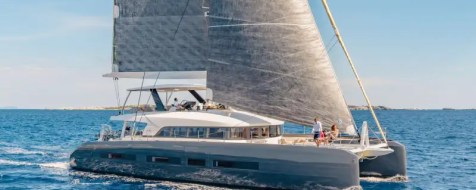
The good news is that the 51 are not all superyachts. Most are catamarans between 43 and 67 feet, which is the ordinary BVI charter boat. On one of those you can hold a video call from anchor.
And your phone is a separate problem entirely. There is no mobile signal in the Sir Francis Drake Channel, none at the empty anchorages, and none on the north shore of Anegada, which is exactly where you will spend a day.
Expert insight
People assume the boat is the problem. It usually is not, because most of the fleet has Starlink now. What catches them out is the hour in the Drake Channel with no bars at all, and Anegada, where the signal stops at the settlement and the whole north shore has nothing. If a call matters, make it at anchor before you move.
 Klara Braga Jakobsen
Yacht Reviewer & Content Lead
About a Quarter of the Fleet Names Starlink
This is a recent change. Five years ago, onboard internet in the BVI meant a shared 4G service you paid for by the day, and it slowed to nothing when the anchorage filled up. Satellite was a superyacht feature.
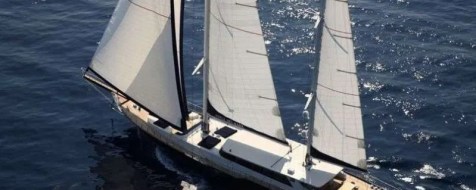
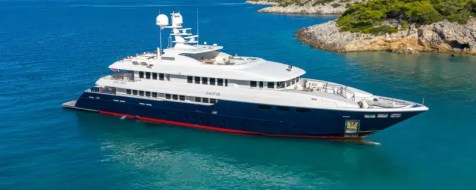
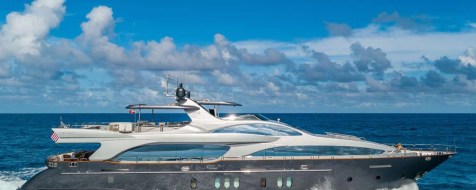
Now it is on the small boats too, and it is spreading fast. Of the 51 Virgin Islands yachts whose listings name Starlink, the median is a five-cabin catamaran around 55 feet. The builders are the ones you would expect in this fleet: Bali, Lagoon, Leopard, Fountaine Pajot, Aquila. Build years run from 2013 to 2027.
The other 160 or so say only “Wi-Fi”. Some of those will have a dish nobody has updated the listing for, and some will be on the paid shore service. You cannot tell from the page, which is why the question in the next section matters.
A few examples across the range, so the point is clear:
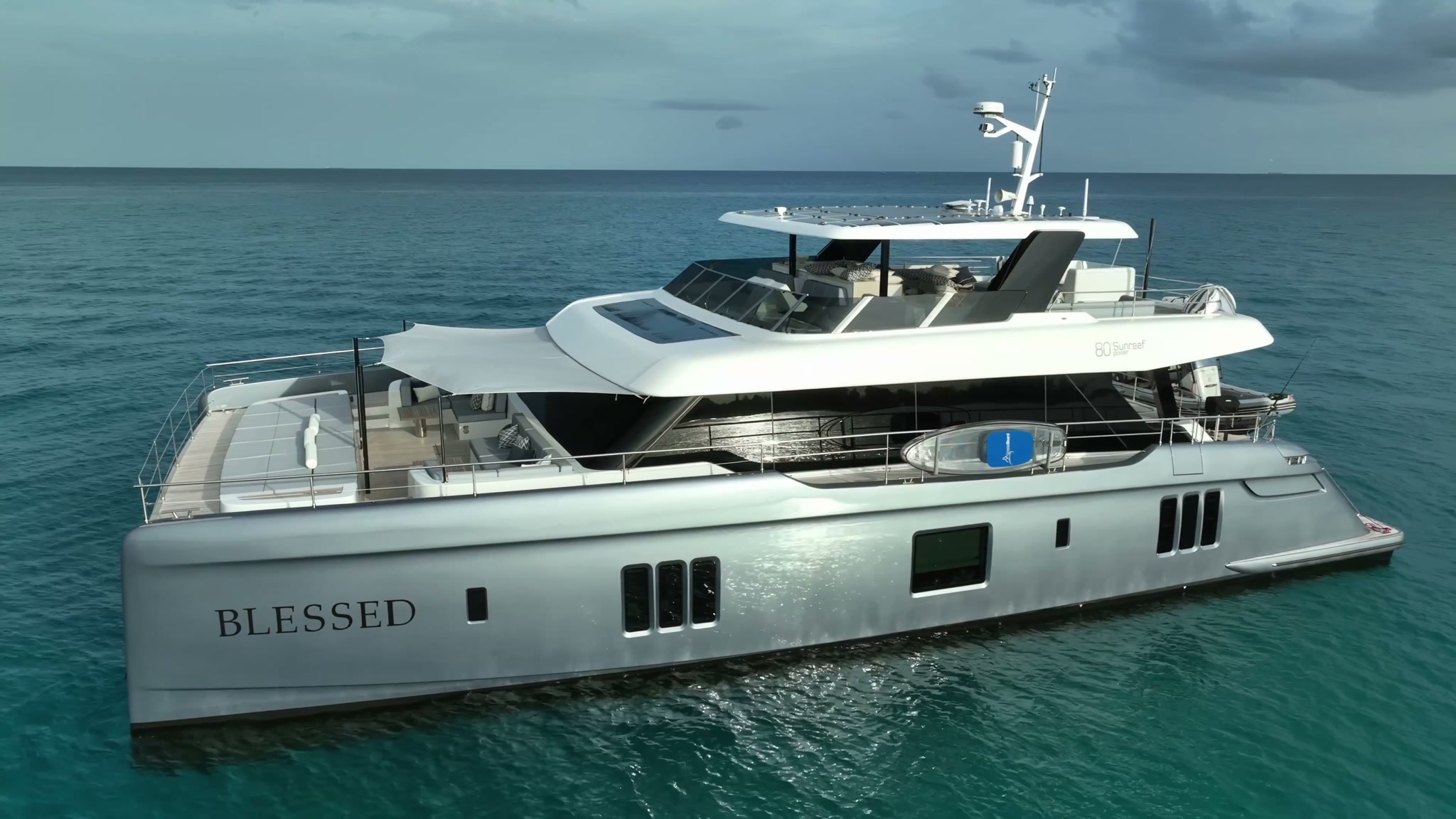
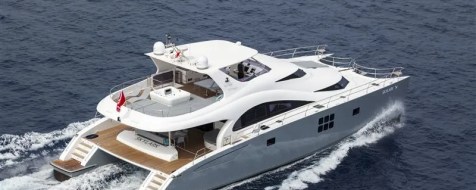
- OHANA, an 80ft Sunreef for 12 guests, lists “Starlink high speed internet”
- ENDLESS SUMMER III, a 65ft Lagoon, lists “Starlink ultra-fast internet”
- PERFECT LANDING, a 59ft Fountaine Pajot, carries it alongside the toys
- SHANGRI LA, a 52ft Lagoon, runs it on solar and wind
So do not assume, and do not rule a boat out because its listing is vague. Ask what the internet actually is.
Wi-Fi on the Listing Does Not Always Mean Starlink
“Wi-Fi available” covers two quite different things, and the difference shows up on your bill.
Starlink, included. The yacht owns the dish and the service is part of the charter. This is the common case now and it costs you nothing extra.
A paid shore-based service. Several BVI and USVI charter fleets carry a land-based marine Wi-Fi system instead. Guests sign up on arrival, and it runs about $30 to $40 a day, or $135 to $205 for the week. It works well near the populated anchorages and thins out the further you go.
Starlink, billed separately. A handful of listings carry the dish but charge for it. One Virgin Islands catamaran states it plainly in its own listing: “Starlink onboard (additional charge).”
None of this is a problem once you know which one you are getting. It becomes a problem when a guest assumes the first and arrives to the third. Ask before you sign, and ask in those words: is the internet included in the charter fee, or billed separately?

Three Limits Worth Asking About Before You Book
These come from the yachts’ own listings, written by the people who manage them. They are not hypothetical.
One territory, not both. At least one Virgin Islands catamaran lists its onboard Wi-Fi as working in the USVI only. If your week crosses between the US and British islands, which most do at some point, that matters.
Not while under way. One listing offers satellite internet “available when not moving.” Another says speeds “may vary due to moving on the ocean.” On a BVI week you are only under way about an hour a day, so this is a smaller limit than it sounds. It still means the morning passage is not the time for a meeting.
Shared across the boat. Eight guests streaming at once is a different load than one person on a call. Crews usually manage this informally by asking everyone to come off video during a work call. Say early in the week that you have calls, and the crew will plan around them.
The question that gets you a straight answer from any central agent is not “do you have Wi-Fi.” It is: is it Starlink, is it included, does it work in both territories, and does it run while we are moving.
Where Your Phone Goes Dead
Onboard internet and mobile signal are different systems and they fail in different places. The boat’s Starlink works at sea. Your phone often does not.
The BVI has three licensed carriers: Digicel, Flow and CCT. If you are on AT&T, Verizon or T-Mobile you will roam onto one of them, and AT&T guests tend to report the most reliable experience, partly because signal spills across from the towers on St John.
Where it stops:
- The Sir Francis Drake Channel. Mid-channel, between the islands, coverage drops out entirely. This is most of your moving time.
- Uninhabited anchorages. Anywhere with no settlement behind it has no tower behind it either.
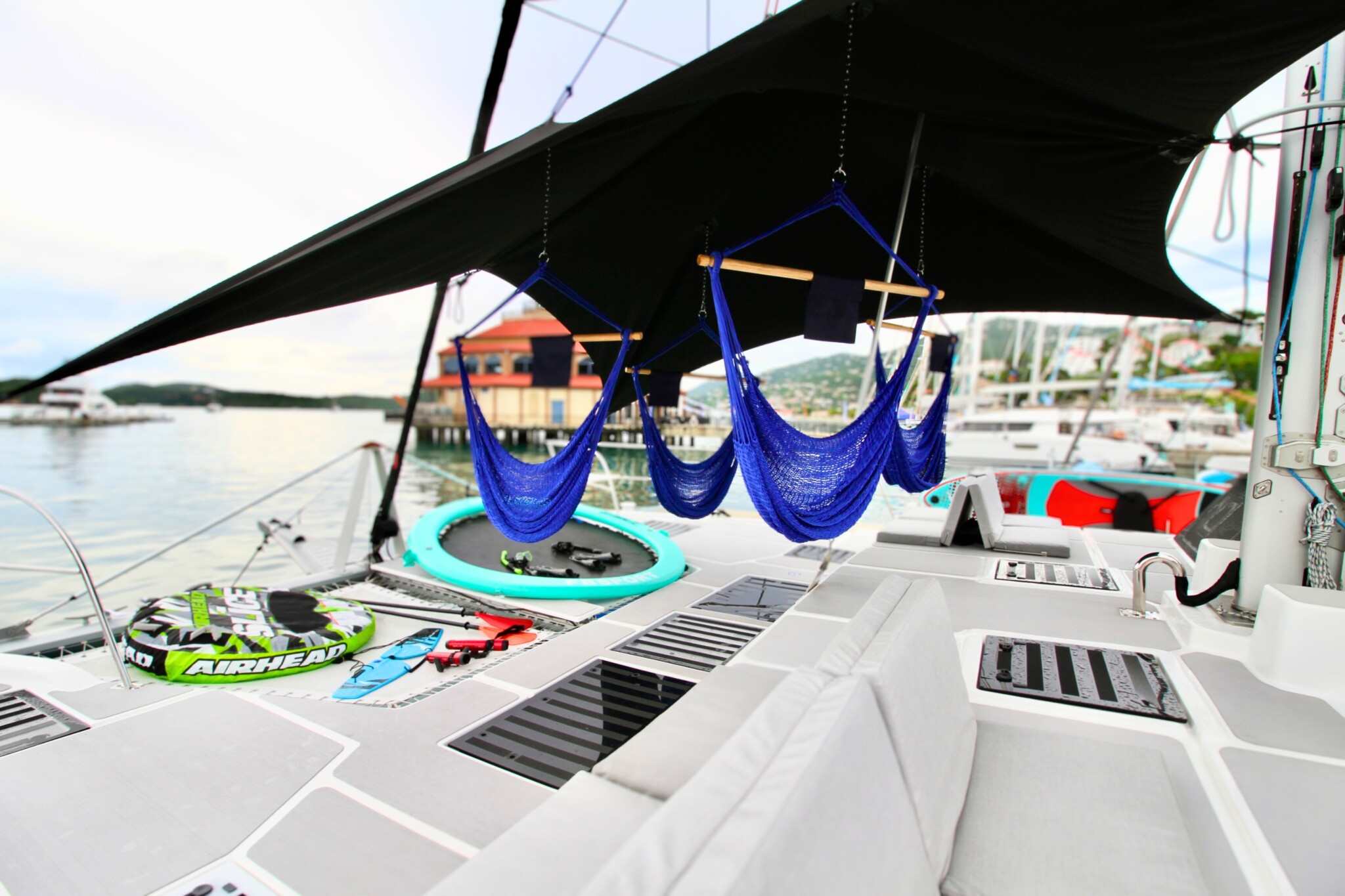
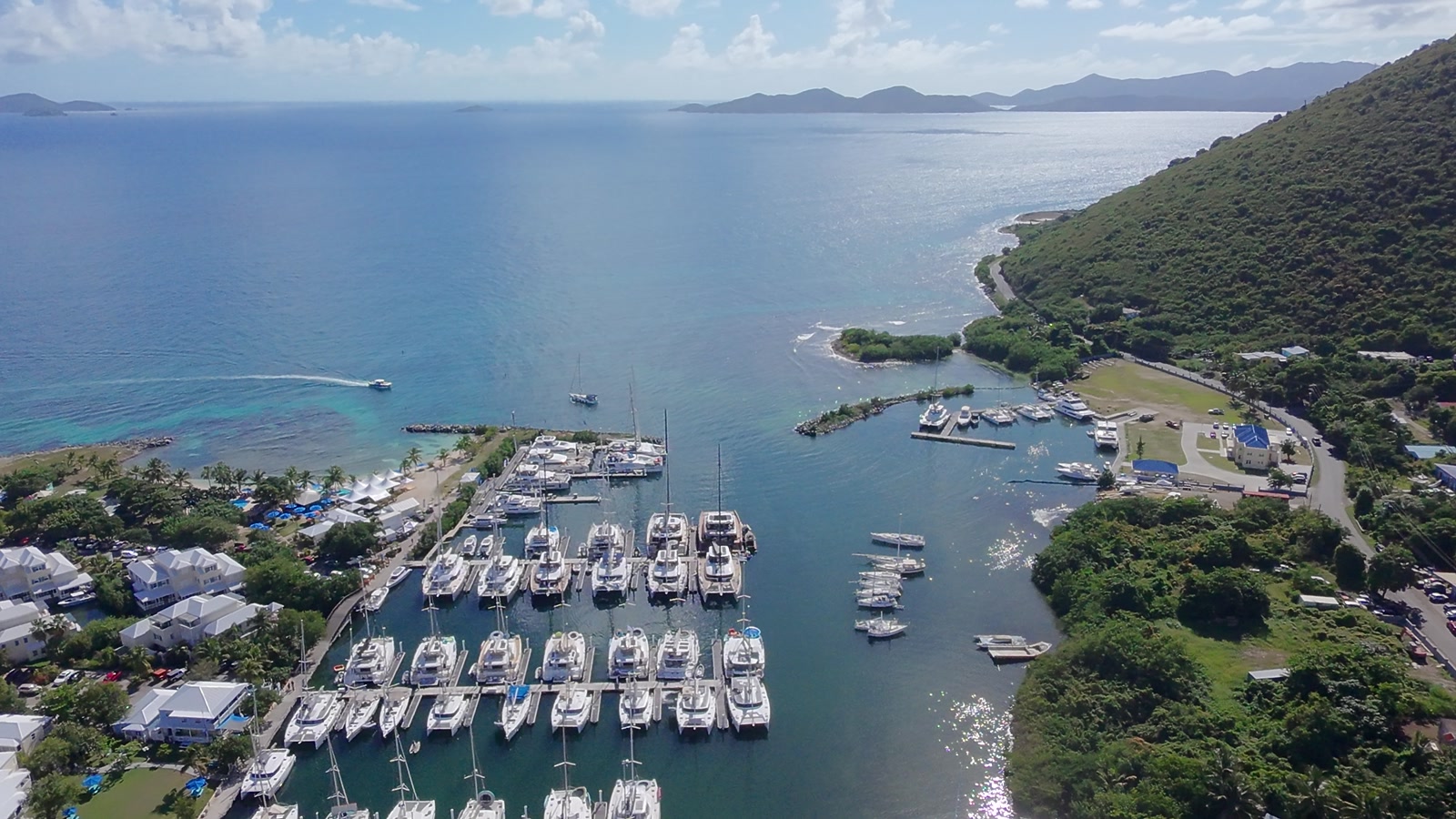
- Anegada’s north shore. There is limited signal near The Settlement and the government dock. Loblolly Bay, Cow Wreck and the northern beaches have none. Anegada is flat and the towers are elsewhere.
- The west side of Tortola and Jost Van Dyke are the exception in the other direction. You can often pick up a US signal there, which some guests use deliberately to avoid BVI roaming charges.
None of this affects safety. The crew runs emergency and shore communication on VHF marine radio, which works whether or not your phone has bars.
What a Working Week Actually Looks Like
Guests who need to work do it the same way on nearly every boat.
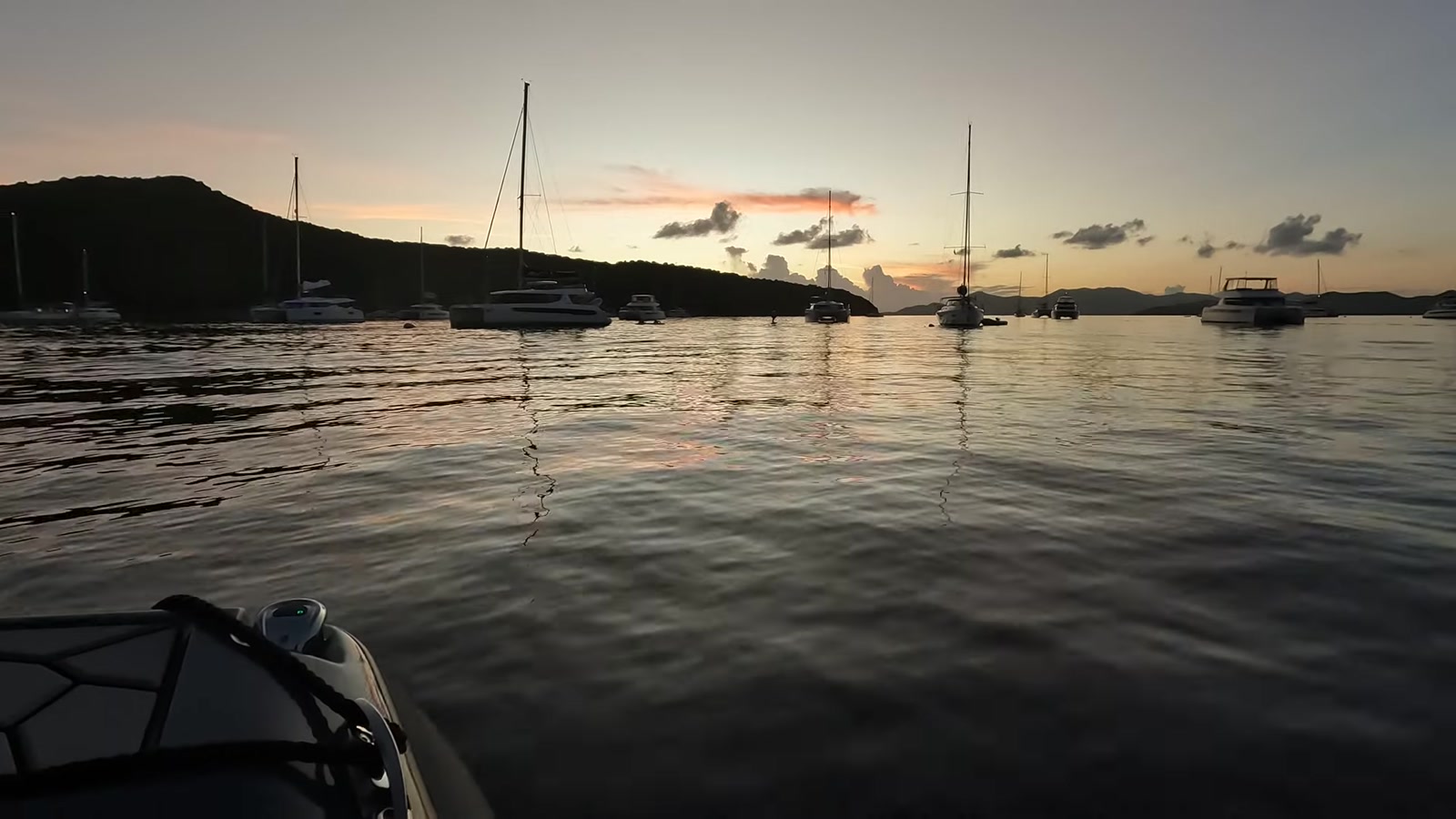
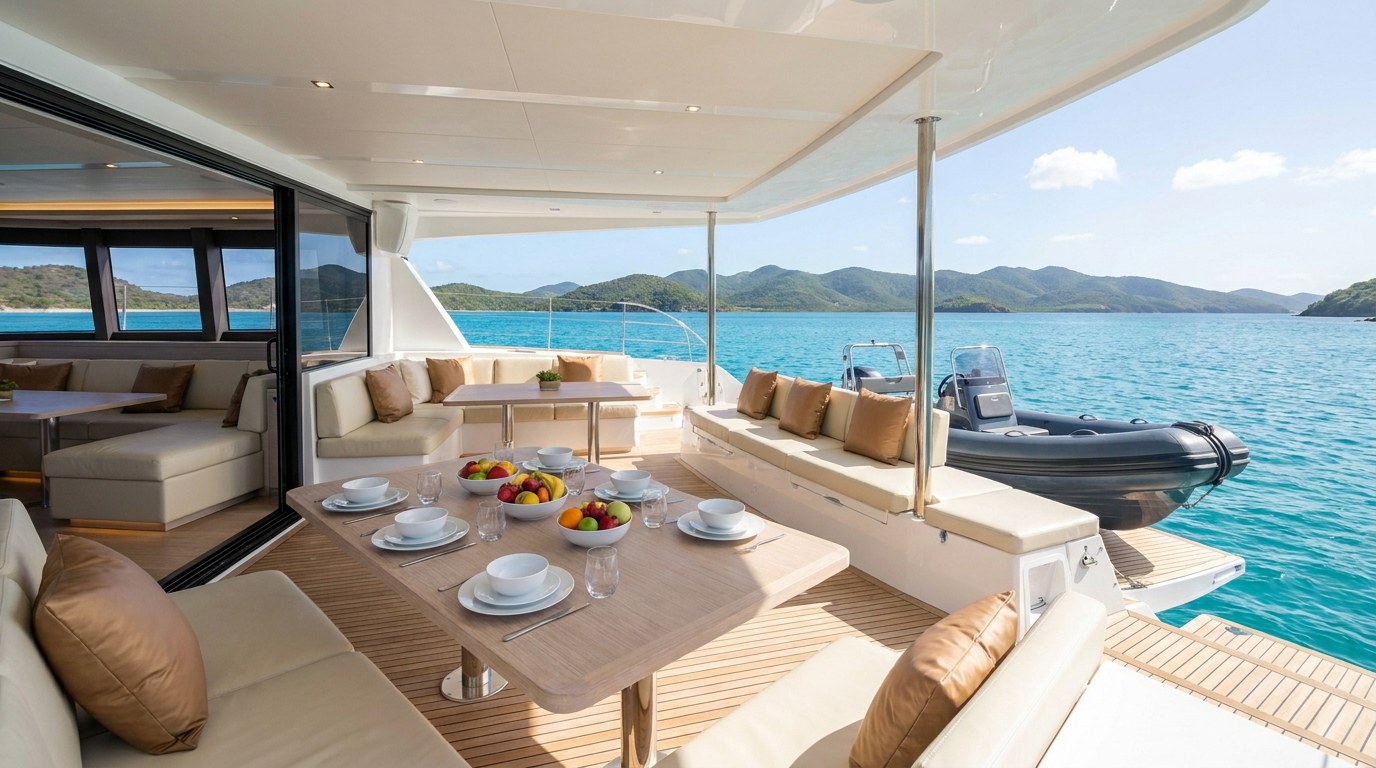
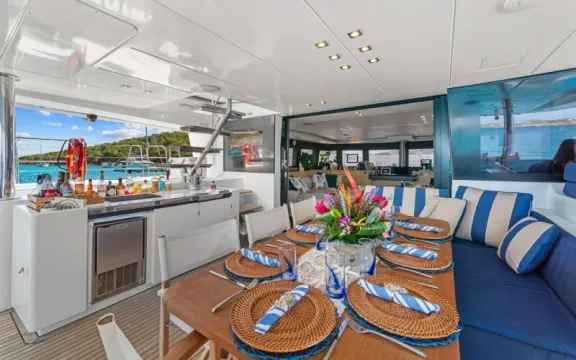
Calls happen at anchor, in the morning or late afternoon, from the saloon table or the foredeck. The boat moves between those windows. On a BVI week the passages are short, often under an hour, so the schedule bends around you rather than the other way round.
Tell the captain at the start of the week which days have fixed commitments. A BVI itinerary is flexible by nature and a captain who knows you have a two o’clock on Wednesday will simply be at anchor at two o’clock on Wednesday. This is the single thing that makes it work, and it costs nothing.
Bring your own hotspot as a backstop if the week genuinely cannot slip. A local eSIM covers you ashore and in the populated anchorages, and it fills the gap if the boat’s service goes down.
If being reachable is the whole point of the trip, say so when you enquire. It changes which boats we put in front of you, and what is included in the charter fee is worth reading alongside this, because the internet line sits in the same part of the contract.
People Also Ask
Can you take a Zoom call from a BVI charter yacht?
Yes, on a boat with Starlink, which is about a quarter of the Virgin Islands yachts that list internet at all, and more every season. Take the call at anchor rather than under way, and tell the crew in advance so the boat is stationary and nobody else is streaming. The limiting factor is almost never the connection; it is whether the boat happens to be moving at the time.
Is Wi-Fi included in a BVI charter, or do you pay extra?
Usually included, but not always. Where the yacht owns a Starlink dish it is normally part of the fee. Where the fleet uses a shore-based marine Wi-Fi service instead, guests sign up on arrival at roughly $30 to $40 a day or $135 to $205 for the week. A small number of yachts carry Starlink and bill it separately. Ask whether the internet is included in the charter fee before you sign, because it is not a standard clause.
Will your mobile phone work in the British Virgin Islands?
In the towns and the populated anchorages, yes, roaming onto Digicel, Flow or CCT. It drops out mid-channel, at uninhabited anchorages, and across the north shore of Anegada. On the west end of Tortola and at Jost Van Dyke you can often pick up a US signal from St John instead. A local eSIM is cheaper than roaming if you expect to use it ashore.
Does Starlink work on a yacht while it is sailing?
On most installations yes, though some yachts state that speeds vary while moving and a few only offer it at anchor. In the BVI this matters less than elsewhere, because the passages are short. A typical day is under an hour under way. Check the individual yacht if you need to be reachable continuously rather than in windows.







 iMessage
 WhatsApp